
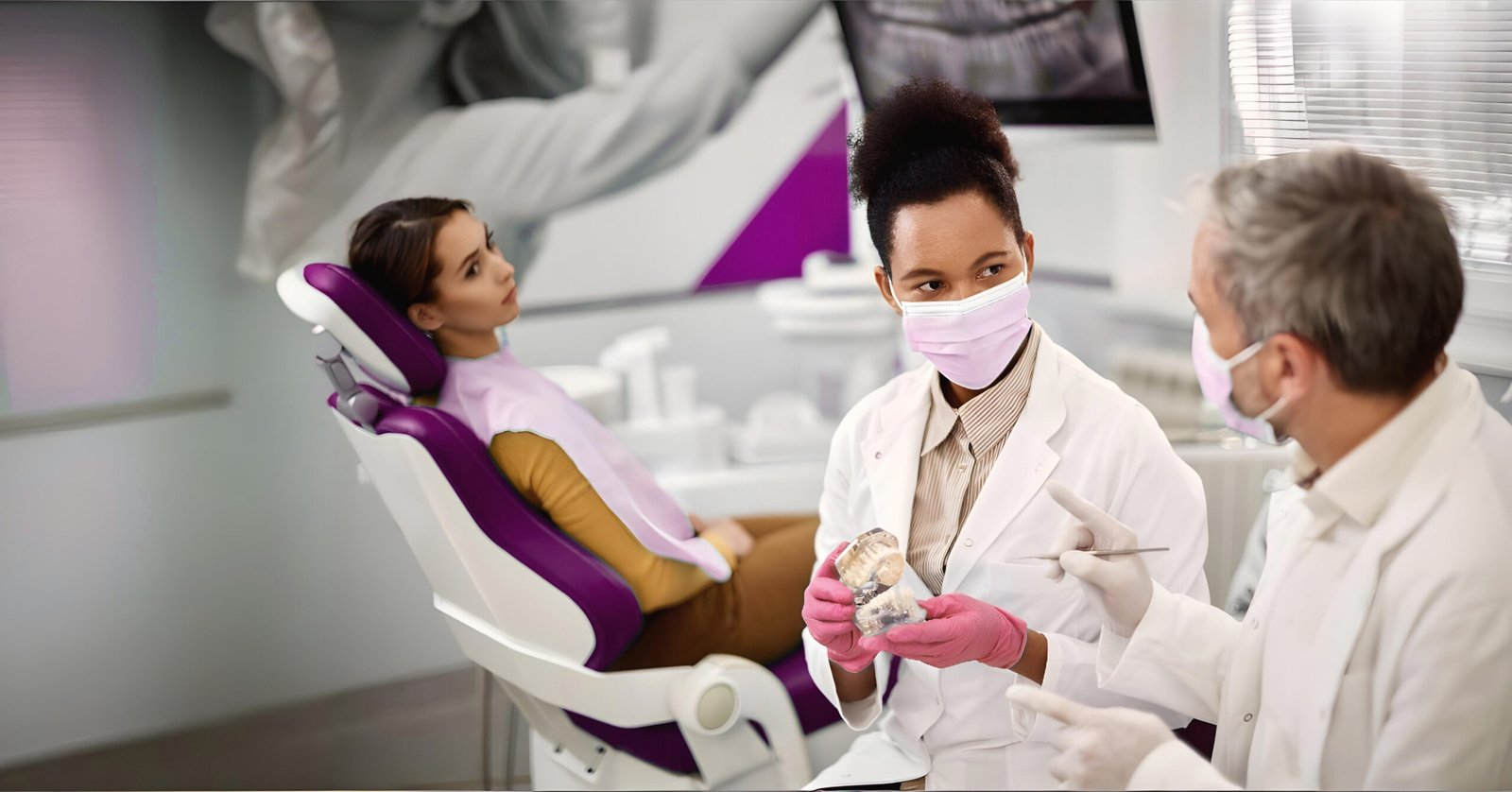
Together as Partners
We Create Smiles
Clear Aligners for Dentists in Pakistan
ClearPath is your committed partner in delivering life-changing smile transformations with you every step of the way
Get StartedClearPath - Your Trusted Partner in
Orthodontic Solutions
ClearPath lets you transform your practice with advanced clear aligner treatment, backed by cutting edge technology that drives exceptional orthodontic outcomes.


Digital Workflow
Submit, plan, track and bill every case in the Dentists’ Portal and earn loyalty points as you go.
CP Smart 2.0
Simulate tooth movement, modify the plan, and approve it before your patients' aligners are made.
Tri-Layer Technology
Tougher than mono-layer aligners, with consistent force for fewer refinements and quicker results.
DRAP & FDA Approved
Pakistan’s only DRAP-approved aligner brand and the first to receive FDA 510(k) clearance.
Precision-Engineered
3D-printed to less than 50 microns, so aligners fit better and need fewer attachments.
48-Hour Turnaround
Approved cases move into production fast, so your patients start sooner.
Patient Referrals
We send patients looking for aligners to partner clinics near them.
Intraoral Scanning Service
No scanner? We bring one to your clinic, so you can start cases without the capital cost.
Training & Education
Certification courses, advanced clinical pathways and live webinars to grow your aligner practice.
Marketing Support
Standees and branding materials delivered ready for your clinic.







Precision Meets Possibility
ClearPath aligners represent the pinnacle of orthodontic technology, providing one of the most advanced solutions designed exclusively for discerning dental professionals to elevate their practice.
View Our Product

Premium Aligners
with Trusted Results
ClearPath is a trusted leader in clear aligner solutions, partnering with dentists globally to deliver premium, precise, and pristine aligners for exceptional results. With cutting-edge manufacturing and expert support, ClearPath helps elevate your orthodontic practice.
Streamlined Digital Workflows for Exceptional Patient Care
Submit and track every case in the Dentists’ Portal, plan and approve it in CP Smart 2.0, and receive aligners made with our latest Tri-Layer technology. Managing multiple clinics? Oversee doctors, approvals and shipments digitally through our Distributor Portal.
Learn More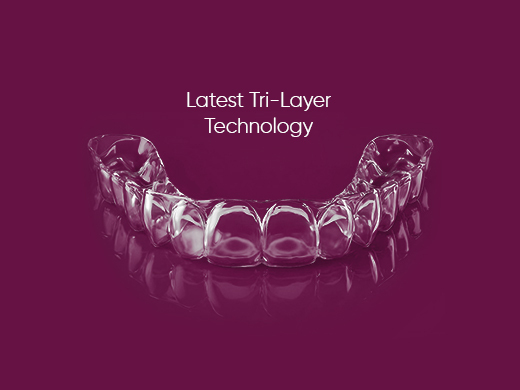
Why Partner with
ClearPath?
Partner with us to access reliable aligner technology, expert case support, and resources that keep your practice ahead in modern orthodontics.
 FDA Approved AlignersEnsured compliance with international safety and quality standards, providing patients with trusted care
 Precision TechnologyAdvanced 50µm manufacturing reduces attachment requirements, ensuring efficient and accurate treatments
 Digital Workflow IntegrationSeamlessly integrate scanning and digital impressions to optimize your practice's workflow and efficiency
 Customized Treatment PlansDetailed, patient-specific aligner solutions for personalized and effective orthodontic care
Partner with us for clinical excellence
ClearPath Knowledge Center
Education is the cornerstone of success. With a variety of orthodontic knowledge sources, ClearPath empowers you to enhance your clinical confidence and grow a thriving digital practice.


Frequently Asked Questions
Common questions about clear aligner treatment: how it works, how it compares with braces, and what to expect.
Q1. What are teeth aligners and how do they work?
Teeth aligners are custom-made clear plastic trays that fit over your teeth and correct their positioning. Each set applies gentle, continuous force, moving teeth gradually according to a digital treatment plan prepared and supervised by your dentist or orthodontist.
Q2. Which is better - aligners or braces?
Neither is universally superior — the right choice is the one that matches your clinical needs. Aligners suit mild to moderate crowding, spacing and most adult cases, while traditional braces are often better for complex corrections or younger patients.
Q3. Are aligners more comfortable than braces?
For most patients, yes. Aligners reposition teeth gently and discreetly without metal brackets and wires, and ClearPath aligners apply one-third less initial force on the teeth for improved comfort.
Q4. What is the aligners price in Pakistan?
Cost depends on case complexity and treatment duration, so your treating dentist provides an exact quote after assessment. ClearPath aligners are competitively priced, and local manufacturing keeps treatment accessible without compromising quality or clinical oversight.
Q5. How long does aligner treatment take compared to braces?
Treatment typically takes 12 to 18 months for moderate cases, and as little as 6 months for mild corrections — broadly comparable to braces. Aligners are worn 20 to 22 hours per day, with fewer clinic visits.
Q6. Are clear aligners effective for all orthodontic cases?
No — and it is important to be upfront about that. Severe crowding, significant bite corrections and complex skeletal issues are often better managed with traditional braces. If aligners are not the right fit for your teeth, a trained ClearPath provider will tell you — and explain why.
Q7. What is the difference between invisible braces and metal braces?
Invisible braces — clear aligners — are removable, virtually invisible trays that you change at home on a set schedule. Metal braces use fixed brackets and wires that are adjusted at the clinic. Aligners can be taken out for eating, brushing, photos and events.
Q8. What makes ClearPath different from other clear aligner brands?
20+ years of experience, 50-micron manufacturing precision, ClearPath Tri-Layer material with ClearQuartz outer layers, and the CP Smart 2.0 planning platform. ClearPath aligners are FDA and DRAP approved, and are delivered only through certified dentists and orthodontists.
Q9. Can I see what my results will look like before I start?
Yes — your dentist uses 3D scanning to map your teeth, and CP Smart 2.0 generates a projected outcome before the first tray is made.
Q10. Do I need to wear anything after my aligner treatment is finished?
Yes, a retainer. A thin tray worn at night keeps teeth in position; without it they drift back. Retention is not optional. It is the final step of any well-managed clear aligner treatment plan.
Clinical guidance for ClearPath-certified dentists on case selection, planning, tracking and auxiliaries.
Q1. What are the selection parameters for clear aligner treatment?
Patient selection should consider:
- Type and severity of malocclusion.
- Degree of crowding or spacing.
- Skeletal and dental relationships.
- Periodontal and overall oral health.
- Tooth position, root morphology and movement requirements.
- Patient compliance and expectations.
A comprehensive clinical examination and appropriate radiographs are essential before treatment planning.
Q2. Which cases are not suitable for clear aligners?
Cases requiring complex or poorly predictable movements may be unsuitable for aligner-only treatment. These include:
- Severe skeletal discrepancies requiring surgical correction.
- Severe rotations, particularly of posterior teeth.
- Significant extrusion or complex root movements.
- Impacted teeth requiring complex traction.
- Severe periodontal compromise or uncontrolled oral disease.
Some cases may still be treated using aligners in combination with auxiliaries or other orthodontic techniques.
Q3. Can clear aligners be used in extraction cases?
Yes. Clear aligners can be used in selected extraction cases, particularly premolar extraction cases, provided that appropriate anchorage, root control and space-closure mechanics are planned. These cases require careful monitoring and regular follow-ups to minimize unwanted tipping, anchorage loss and root divergence.
Q4. Can clear aligners be used in skeletal cases?
Selected patients with mild skeletal discrepancies may be treated with aligners, sometimes in combination with elastics or other auxiliaries. However, significant skeletal discrepancies cannot generally be corrected through dental tooth movement alone. Growing patients may require growth modification, while severe adult skeletal discrepancies may require orthognathic surgery.
Q5. When and how much IPR should be performed?
Interproximal Reduction (IPR) is performed when additional space is required to resolve crowding, improve tooth alignment, correct tooth-size discrepancies or reduce the risk of excessive proclination.
The amount and location depend on:
- Available enamel thickness.
- Tooth morphology and anatomy.
- Required space.
- Contact relationships and treatment objectives.
IPR should be prescribed individually for each contact and performed according to the approved treatment plan. It should not exceed clinically safe enamel limits.
Q6. Why are attachments placed on teeth?
Attachments are small composite resin features bonded to teeth to improve aligner retention and enhance control over specific tooth movements.
They help facilitate:
- Rotation.
- Extrusion and intrusion.
- Root torque and bodily movement.
- Anchorage and aligner retention.
Their design, size and position depend on the movement required.
Q7. What is refinement in clear aligner treatment?
Refinement is an additional series of aligners prescribed after the initial planned series when the achieved tooth positions do not fully match the treatment objectives.
New records, including scans or impressions and patient pictures, are taken to assess the current tooth positions.
Q8. How many days should each aligner be worn?
The wear interval depends on the aligner system, material, prescribed movement, biological response and patient compliance.
Common protocols prescribe approximately 10 days per aligner. The treating dentist should determine the appropriate interval and should not advance aligners solely based on the calendar if the teeth are not tracking.
Q9. What is the retention protocol after aligner treatment?
Retention is essential to maintain the achieved tooth positions and minimize relapse.
Depending on the case, retention may include:
- Removable retainers.
- Fixed bonded retainers.
- A combination of both.
The treating dentist should prescribe a suitable wear schedule and long-term follow-up based on the patient’s relapse risk.
Q10. What should a dentist check first when reviewing a treatment plan?
The dentist should first assess whether the proposed treatment plan addresses the original diagnosis and clinical objectives.
Key areas include:
- Initial and final tooth positions.
- Midlines and arch coordination.
- Overjet and overbite.
- Crowding and spacing correction.
- Canine and molar relationships.
- IPR and attachment requirements.
- Feasibility of the planned tooth movements.
Q11. Why might a clear aligner not fit properly?
Common causes include:
- Inadequate patient wear.
- IPR discrepancy.
- Teeth not tracking according to the treatment plan.
- Incorrect or incomplete attachment bonding.
- Attachment breakage.
- Premature transition to the next aligner.
- Distortion or damage to the aligner.
- Unplanned tooth movement or biological variation.
The cause should be identified before deciding whether to continue, backtrack or revise the treatment plan.
Q12. What is the halo effect in clear aligner treatment?
The halo effect refers to a visible gap between the aligner and the incisal or occlusal surface of a tooth, indicating that the tooth may not have fully followed its programmed movement.
It can occur due to inadequate wear, difficult tooth movements, attachment issues or insufficient tracking. The dentist should assess the affected tooth and determine whether additional seating, backtracking or refinement is required.
Q13. What is tooth lagging?
Tooth lagging occurs when a tooth fails to move at the rate or to the position programmed in the digital treatment setup.
It may result from inadequate aligner engagement, insufficient force expression, poor compliance or biological factors. Persistent lagging may require revised staging, auxiliaries or refinement.
Q14. What is backtracking and when is it required?
Backtracking involves returning to a previously worn aligner when the current aligner is not seating properly or the teeth have fallen behind the planned movement.
It may help re-establish tracking before progressing further. The treating dentist should determine the appropriate aligner and duration rather than asking the patient to backtrack independently.
Q15. What is the role of chewies in aligner treatment?
Chewies are small cylindrical or cushion-like devices that patients bite on to help seat aligners properly.
They can improve aligner-tooth contact and attachment engagement. However, they cannot correct significant tracking problems or compensate for inadequate treatment planning.
Q16. What is Elastic Button Technique (EBT), and why is it used with clear aligners?
Elastic Button Technique involves using orthodontic buttons bonded to teeth, together with specially designed aligner cutouts or hooks, to engage elastics.
It is used to apply additional orthodontic forces that may be difficult to achieve with aligners alone. EBT can assist with anchorage control, inter-arch correction and selected difficult tooth movements.
Q17. What should a dentist check during EBT follow-up?
The dentist should assess:
- Button stability and bonding.
- Aligner seating and retention.
- Elastic placement and wear compliance.
- Tooth movement and tracking.
- Occlusal changes and unwanted side effects.
- Soft tissue irritation or discomfort.
The force system and elastic configuration should be reassessed if the planned movement is not progressing as expected.